Why Homeowners Should Be Careful Switching Between Heat and Cool During Winter Weather Swings
Winter weather in the Carolinas can be unpredictable. One day feels like spring, the next brings freezing temperatures. When outdoor conditions swing back and forth like this, it can be tempting to constantly flip your thermostat between heat and cool to stay comfortable. While that seems harmless, switching modes too quickly can put unnecessary strain on your HVAC system and potentially lead to costly repairs.
Understanding how your system operates can help you avoid damage while still keeping your home comfortable.
How Your HVAC System Responds to Mode Changes
When you switch from heat to cool or cool to heat, your HVAC system doesn’t just change temperature output. Internally, major components reverse operation, pressures inside the system shift, and mechanical parts cycle on and off. These transitions take time to stabilize.
Rapid changes can prevent the system from fully equalizing pressures, especially in heat pumps, which are common in our area. Compressors, reversing valves, and electrical components are all affected during these transitions. Repeated stress during short time windows increases wear and reduces long-term reliability.
Why Rapid Switching Can Be Harmful
Switching thermostat modes too frequently can lead to several issues. The compressor may be forced to restart before it has fully cooled down, which increases the risk of overheating. Electrical components experience additional stress from frequent cycling. In some cases, the system’s safety controls may lock out operation to prevent damage, leaving you without heating or cooling until the system resets or is serviced. Over time, this behavior can shorten the lifespan of your HVAC system and increase energy consumption, even if you don’t notice an immediate problem.
Smarter Ways to Stay Comfortable During Temperature Swings
During winter periods with wide temperature fluctuations, it’s often best to choose one mode and let your system do its job. If daytime temperatures are warm but nights are cold, heating mode is usually the safer option. You can also adjust your thermostat a few degrees instead of switching modes entirely.
Many modern thermostats offer a delay feature that prevents rapid cycling. Using these settings, or setting a consistent temperature range, can help protect your system while maintaining comfort. If your home frequently overheats during the day and cools rapidly at night, it may also indicate insulation or airflow issues that are better addressed directly rather than relying on constant thermostat changes.
Protecting Your Comfort and Your Investment
Your HVAC system is one of the most expensive and important systems in your home. Treating it gently during extreme or unpredictable weather can help avoid unnecessary breakdowns and extend its service life. If you’re unsure how to best manage your thermostat during winter temperature swings, or if your system seems to struggle when switching modes, a professional inspection can provide clarity and peace of mind. Charlotte Comfort Systems is always here to help homeowners stay comfortable while protecting their HVAC investment, no matter what winter decides to bring.
continue reading
Related Posts
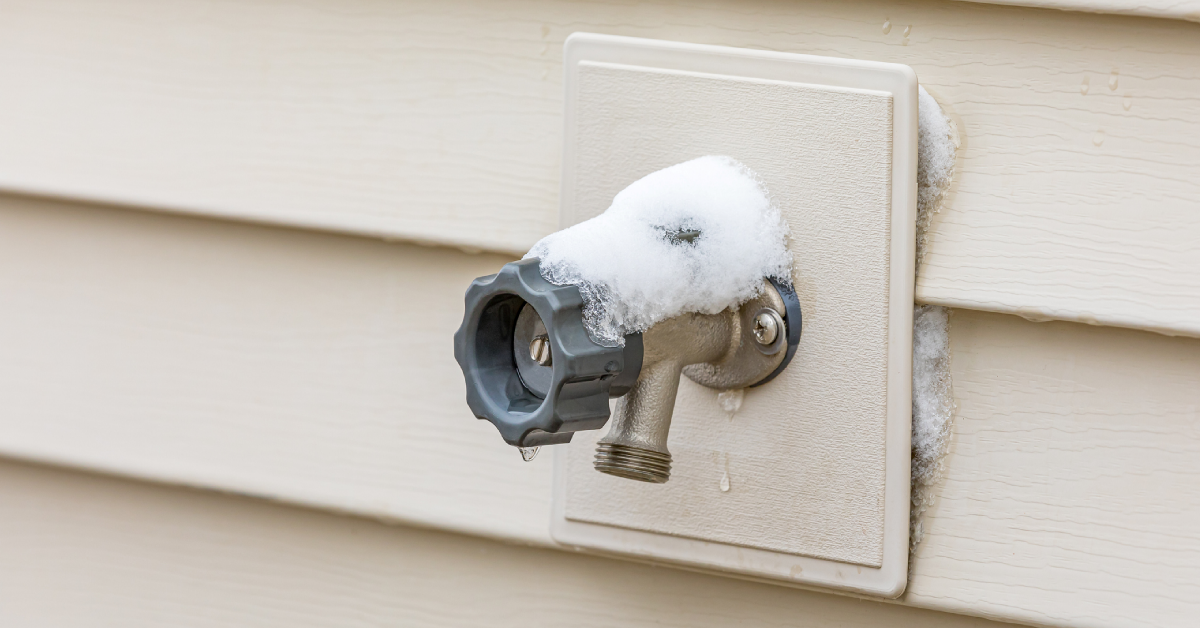
When the heat is turned off or set too low, cold air can quickly reach pipes throughout your home, allowing temperatures to drop below freezing.
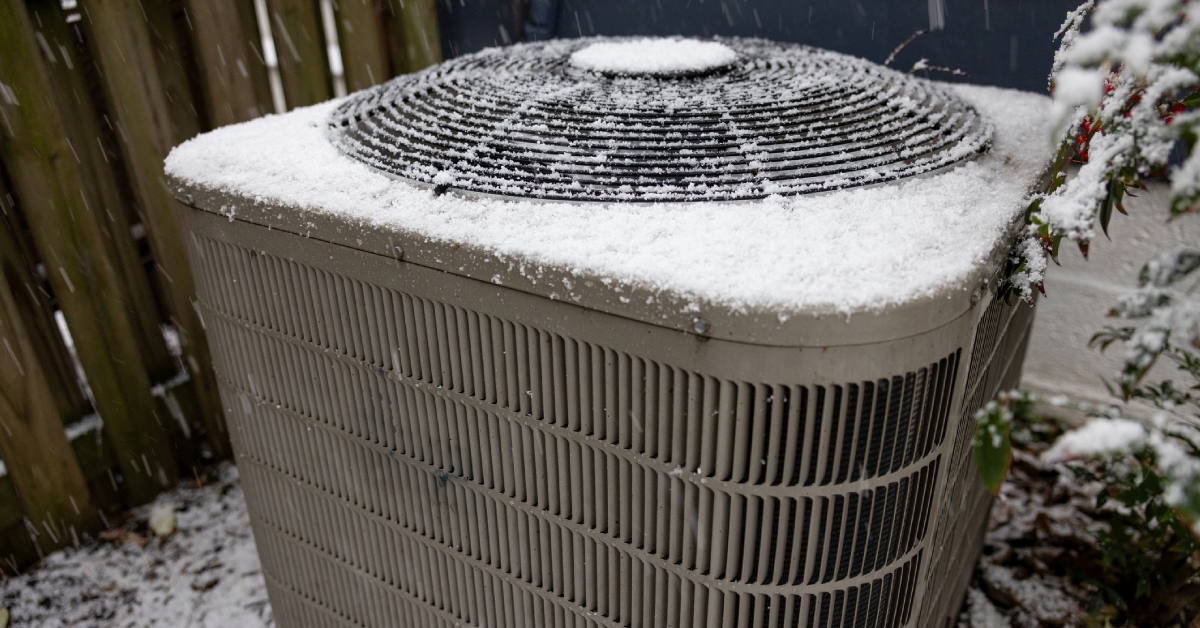
Heat pumps move heat from the outdoor air into your home. On cold, humid, or freezing days, moisture in the outdoor air can freeze on the heat pump’s outdoor coil.
When you turn on the heat, the last thing you want is a blast of cold air. Sometimes the fix is simple. Other times, cold air can be a sign that your furnace needs professional attention.