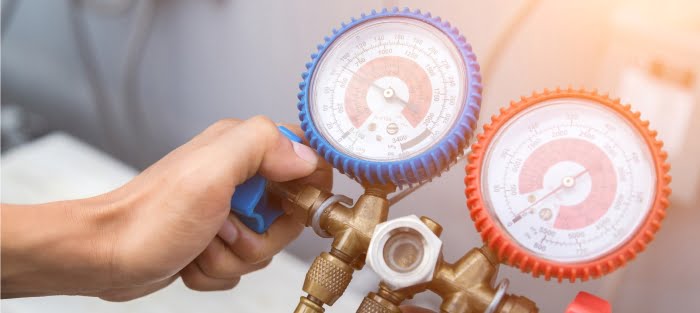

Trade Policy May Affect Your Next HVAC Project
If you’ve been thinking about upgrading your home’s heating or cooling system, now may be the best time to act. Due to changes in international trade policies, tariffs on imported goods may soon increase the cost of HVAC equipment. Even on units assembled here in the U.S.
Why HVAC Prices Could Be Going Up
While many HVAC systems are built in North America, a large number of parts, including compressors, valves, copper coils, and electronic components come from other countries. When tariffs are placed on imported materials or equipment, those added costs often get passed along the supply chain, eventually affecting contractors and homeowners alike.
Even items manufactured in the U.S. can be impacted if they rely on parts sourced globally. That’s especially true for high-efficiency systems and smart thermostats, which often include specialized components from overseas.
What This Means for Homeowners
HVAC contractors across the country are already seeing early signs of price increases on equipment like furnaces, air conditioners, water heaters, and boilers. If new tariffs are implemented or existing ones extended, some systems could cost 10–25% more in the near future. This uncertainty is making it harder for companies to honor long-term price quotes.
Advice for Planning Your Next Project
If your HVAC system is aging or you’re planning a remodel, it’s wise to get quotes now and lock in pricing where possible. Waiting could mean paying significantly more, especially during the peak summer season when demand for cooling systems is at its highest.
We encourage homeowners to:
Our Commitment to Your Comfort
At Charlotte Comfort Systems, we understand that every dollar matters. That’s why we always provide you with fair, transparent pricing that helps you make the most of your investment. Whether tariffs increase or not, we continue to remain focused on delivering comfort, efficiency, and service you can count on. Please get in touch with us if you have questions or would like help exploring your HVAC options.
continue reading
Related Posts
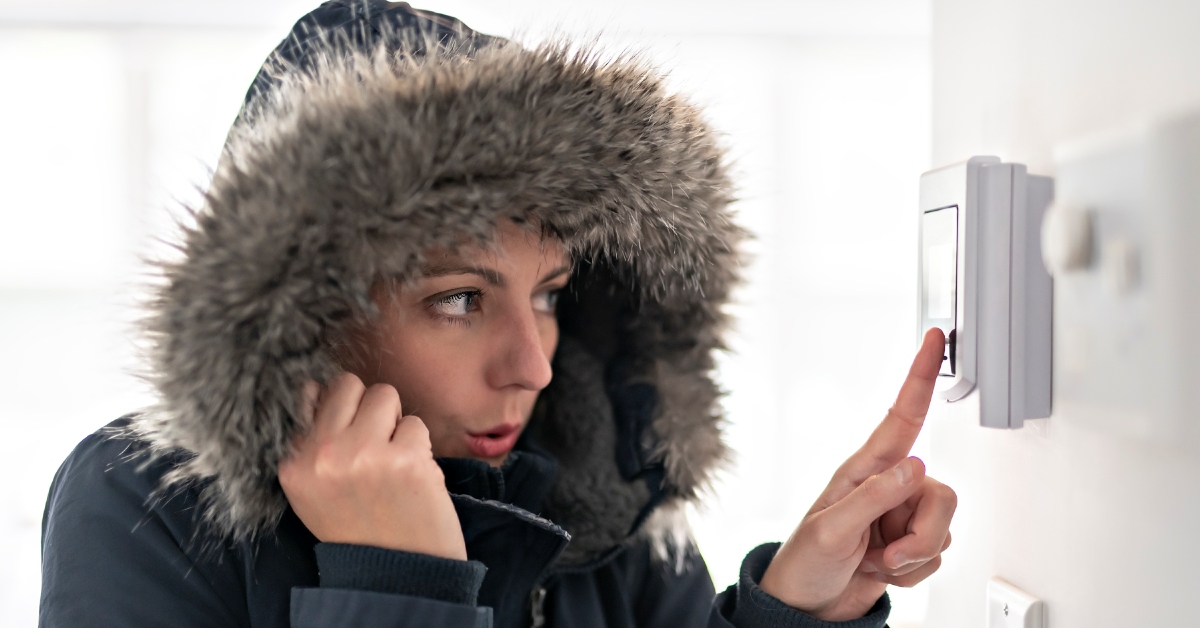
Rapid changes can prevent the system from fully equalizing pressures, especially in heat pumps, which are common in our area.
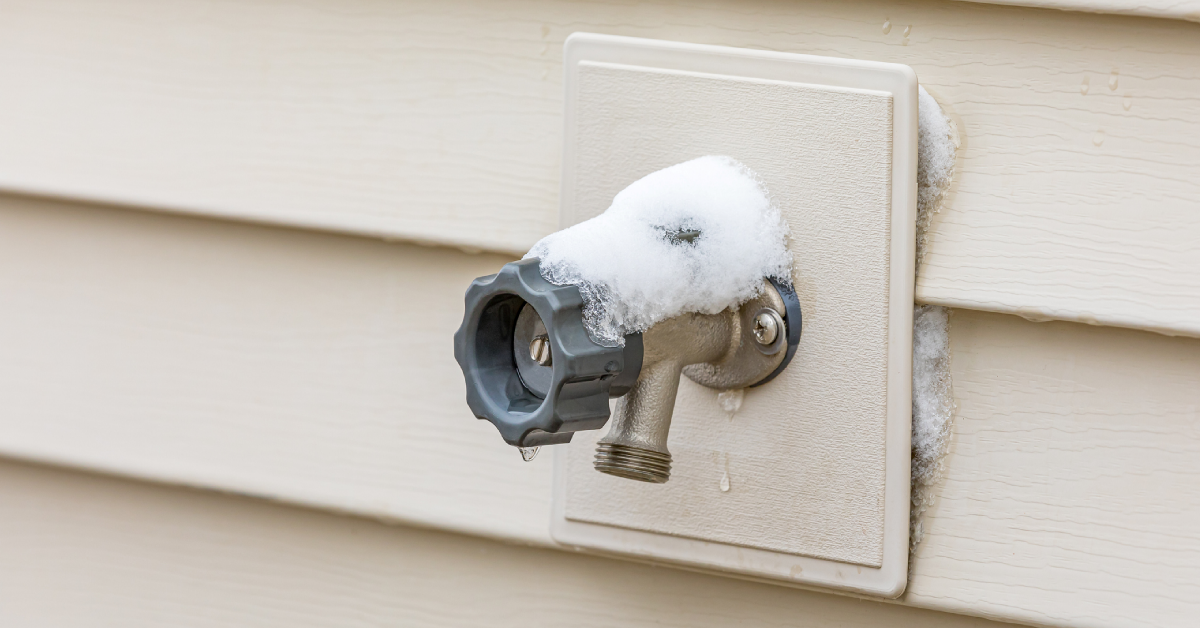
When the heat is turned off or set too low, cold air can quickly reach pipes throughout your home, allowing temperatures to drop below freezing.
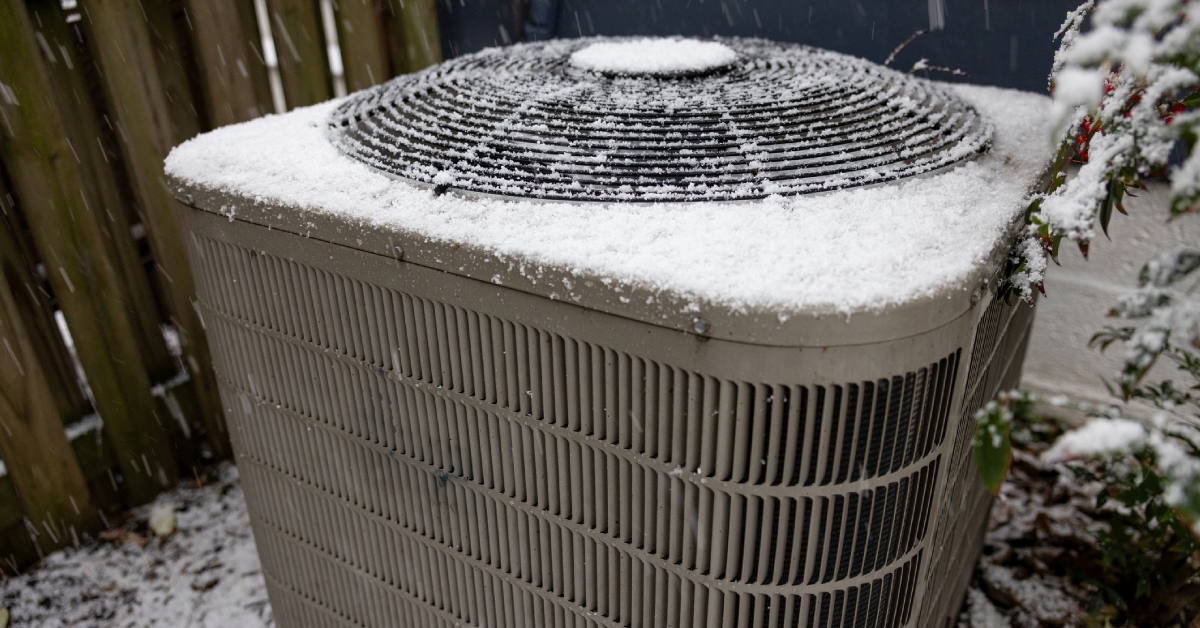
Heat pumps move heat from the outdoor air into your home. On cold, humid, or freezing days, moisture in the outdoor air can freeze on the heat pump’s outdoor coil.