Protecting Your Pipes With Home Heating
When winter temperatures drop in the Charlotte area, most homeowners think about staying warm and keeping heating bills under control. What often gets overlooked is the serious risk cold weather poses to your home’s plumbing. Frozen pipes are one of the most common and costly wintertime problems, and in many cases, they can be prevented by something simple such as keeping your heat on.
Why Frozen Pipes Are Such a Big Problem
Water expands when it freezes. When water inside a pipe freezes, it creates pressure that can cause the pipe to crack or burst. These breaks don’t always show themselves right away. In many cases, homeowners only discover the damage once the ice thaws and water begins pouring into walls, ceilings, or floors.
The result can be extensive water damage, mold growth, ruined insulation, and expensive repairs. Even a small split in a pipe can release hundreds of gallons of water in a short period of time.
Pipes Most at Risk in Cold Weather
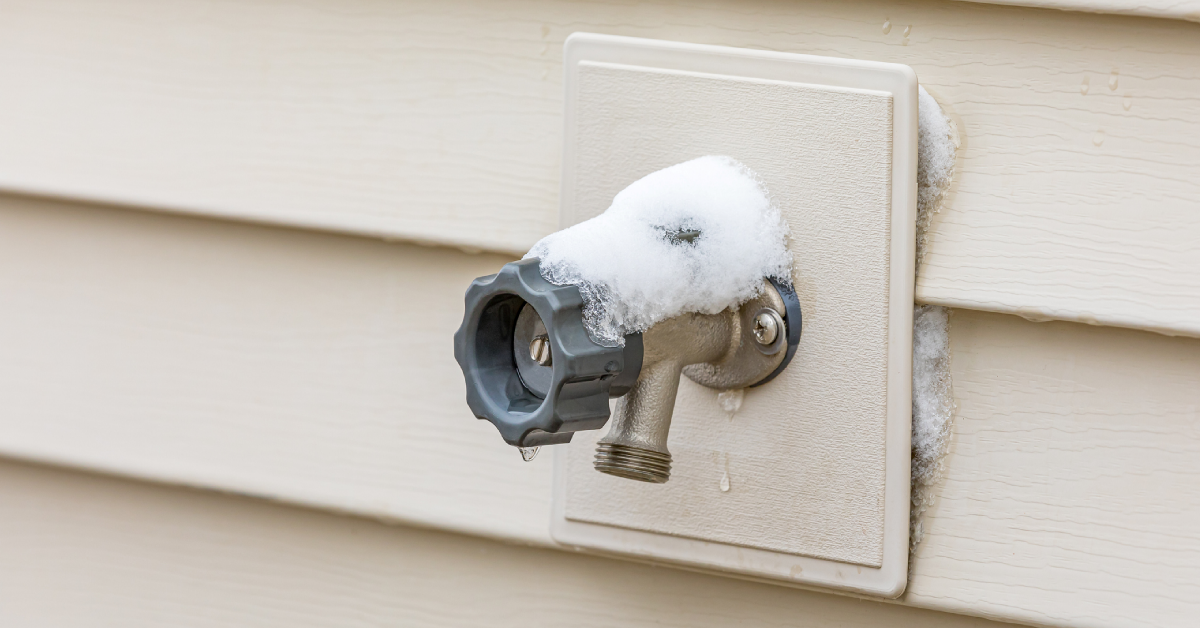
Not all pipes face the same level of risk during winter. Pipes located in unheated or poorly insulated areas are the most vulnerable. This includes plumbing in crawl spaces, attics, garages, exterior walls, basements, and under kitchen or bathroom cabinets. Homes that are vacant or have their thermostats turned down too low are also at much higher risk.
How Keeping the Heat On Protects Your Pipes
Your home’s heating system does more than keep you comfortable. It plays a critical role in protecting your plumbing. Maintaining a consistent indoor temperature keeps warm air circulating throughout the house, including areas where pipes are hidden behind walls or under floors. When the heat is turned off or set too low, cold air can quickly reach those pipes, allowing temperatures to drop below freezing. Even during mild Charlotte winters, overnight cold snaps can be enough to cause problems if the heat isn’t running.
It may be tempting to turn the heat off or set it extremely low when you’re away or trying to save on energy costs. Unfortunately, the cost of repairing burst pipes and water damage can far exceed any short-term savings on your utility bill. A safer approach is to keep your thermostat set to a consistent, modest temperature, even when you’re not home. This helps ensure that warm air continues to circulate and protects vulnerable plumbing throughout the house.
Additional Steps Homeowners Can Take
While keeping the heat on is one of the most effective ways to prevent frozen pipes, it works best when combined with other preventative measures. Proper insulation, sealing drafts, and allowing warmer air to reach pipes in cabinets or tight spaces can further reduce risk. Dripping faucets slightly during extreme cold can also help keep water moving, making it less likely to freeze.
Peace of Mind Starts With a Reliable Heating System
Your heating system is your first line of defense against frozen pipes. If your system isn’t working efficiently or struggles to maintain a steady temperature, your home may be at greater risk during cold weather. At Charlotte Comfort Systems, we help homeowners stay protected all winter long with reliable heating services, maintenance, and repairs. Ensuring your heating system is operating properly can help safeguard not only your comfort, but your home itself. If you have questions about winter HVAC performance or want to make sure your system is ready for cold weather, our team is here to help.
continue reading
Related Posts
Rapid changes can prevent the system from fully equalizing pressures, especially in heat pumps, which are common in our area.
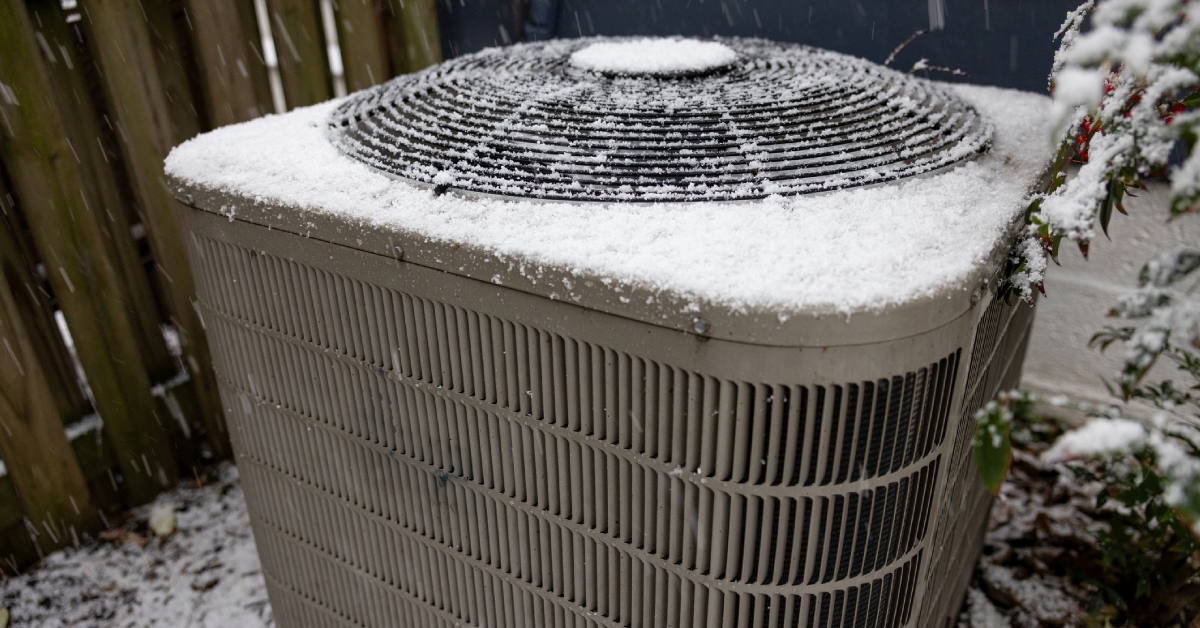
Heat pumps move heat from the outdoor air into your home. On cold, humid, or freezing days, moisture in the outdoor air can freeze on the heat pump’s outdoor coil.
When you turn on the heat, the last thing you want is a blast of cold air. Sometimes the fix is simple. Other times, cold air can be a sign that your furnace needs professional attention.